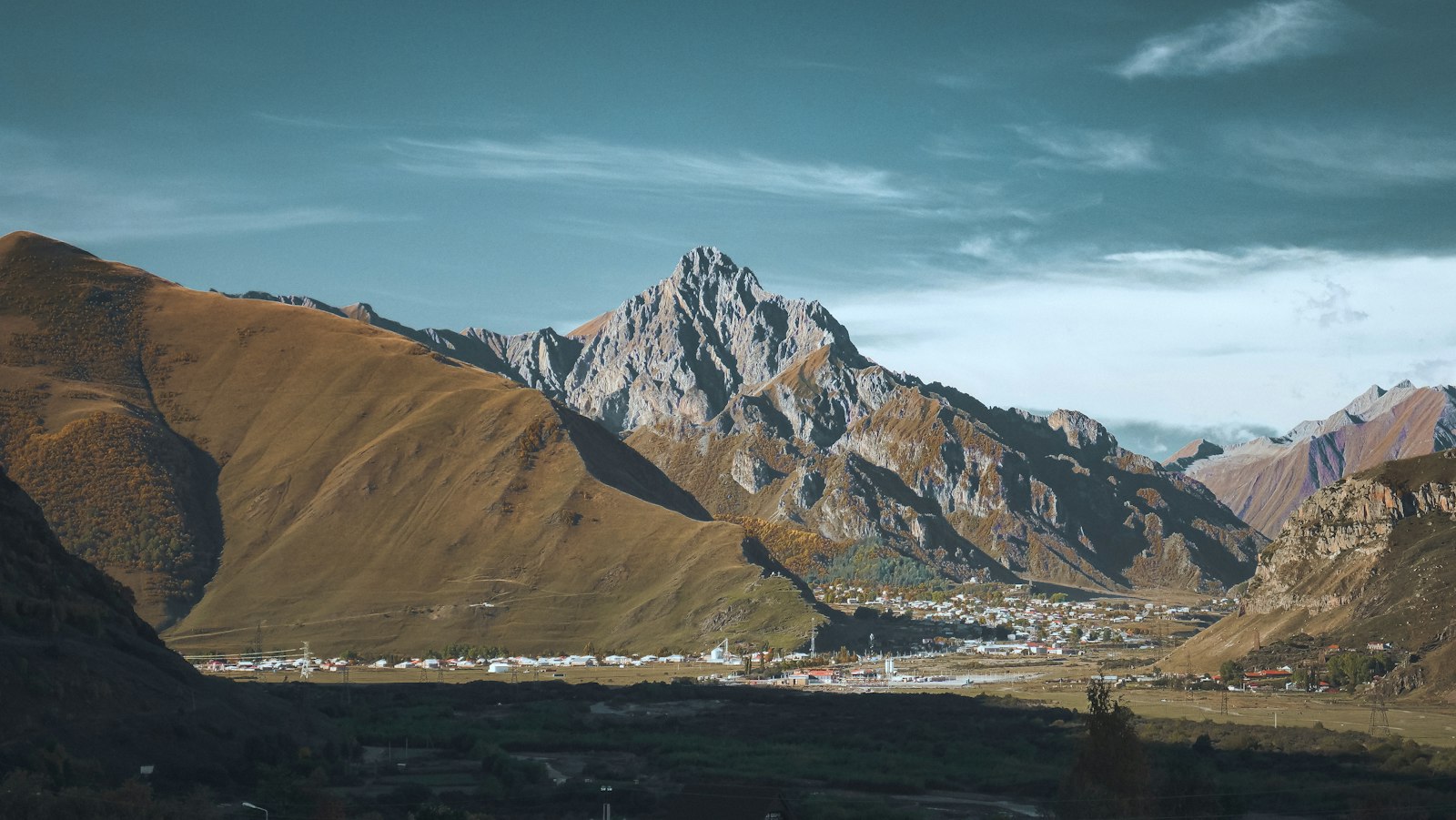
მგზავრობა დიდი ბრიტანეთიდან საქართველოში: სრული გზამკვლევი
ლონდონი თბილისამდე არის დაახლოებით 4,300 კმ, მოკლე გზის გარეშე - მთელი გზა ევროპისა და თურქეთის გავლით გაივლით. მარშრუტი, საბუთები, სად დავიძინოთ ბანაკში, სად გავავსოთ, რა ვჭამოთ და რა ნამდვილად ღირს გაჩერება.
ნდობა და გამჭვირვალობა
ავტორი: Georgian APPA Editorial Team
ბოლოს გადამოწმდა: აგვისტო, 2026 (Reviewed by Georgian APPA)
Georgian APPA separates statutory insurance information from its own customer-facing selling price and links authority pages that explain how content is reviewed and updated.
ამ გვერდზე გამოყენებული ოფიციალური წყაროები
ლონდონი თბილისამდე გზაზე დაახლოებით 4300 კილომეტრია. არ არსებობს ბორანი, რომელიც მას მალსახმობს და არ არის სახმელეთო საზღვარი დიდ ბრიტანეთსა და საქართველოს შორის - მთელი გზა მანქანით, კონტინენტური ევროპისა და თურქეთის გავლით, და ჩახვალთ შავ ზღვაზე. ცივილიზებული ტემპით შესრულებული, მგზავრობას 5-7 დღე სჭირდება. სწორად შესრულებული, გაჩერებებით, ამას ორი ან სამი კვირა სჭირდება და არის ერთ-ერთი საუკეთესო სახმელეთო მარშრუტი, რომელიც ჯერ კიდევ ღიაა ბრიტანეთის სანომრე ნიშნისთვის.
ეს არის პრაქტიკული ვერსია: მარშრუტი, საბუთები, სად დაიძინოთ, თუ თქვენი მანქანა თქვენი საწოლია, სად გაავსოთ, რა ჭამოთ და რა ღირს გაჩერება.
მარშრუტი, ეტაპობრივად
1. გადაკვეთეთ არხი. Eurotunnel Le Shuttle Folkestone-დან კალესამდე დაახლოებით 35 წუთი სჭირდება და მარჯვნიან მანქანას სპეციალური საბუთების გარეშე ატარებს. დოვერის ბორნები იგივე საქმეს უფრო ნელა და ხშირად უფრო იაფად აკეთებენ.
2. გადაკვეთს კონტინენტურ ევროპას. მძღოლების უმეტესობა გადის საფრანგეთის და შემდეგ გერმანიისა და ავსტრიის გავლით ბალკანეთში, ან სამხრეთით იტალიის გავლით და საბერძნეთში. ორი-სამი დღე დამოკიდებულია იმაზე, თუ რამდენ ავტომაგისტრალის მოთმენა გსურთ. თქვენი მწვანე ბარათი დაფარავს თქვენ მთელ ამ ფეხს.
3. გადაკვეთეთ თურქეთი. შედით კაპიკულეში ბულგარეთიდან, შემდეგ მიჰყევით შავი ზღვის სანაპიროს გზას აღმოსავლეთით - სამსუნი, ორდუ, ტრაპიზონი, ჰოპა. თურქეთის სატრანზიტო დაზღვევა შეძენილია თურქეთის საზღვარზე; ეს არის სწრაფი და სავალდებულო. სანაპირო გზა გრძელია, მაგრამ ჭეშმარიტად ლამაზი, ხოლო მგზავრობა მარტივია.
4. შედით საქართველოში სარფში. სარფ-სარფის გადასასვლელი პირდაპირ ზღვაზეა და ღიაა 24 საათის განმავლობაში. ბათუმი 20 კმ-ით არის. ეს ის წერტილია, სადაც თქვენი ქართული საბუთები უკვე წესრიგში უნდა იყოს - და არა რაღაც რიგზე დასალაგებლად.
დაალაგეთ საბუთები გამგზავრებამდე
საქართველო არაჩვეულებრივად მიესალმება ბრიტანელ სტუმრებს, მაგრამ საზღვარზე ორი დოკუმენტის შეთანხმება შეუძლებელია.
თქვენი მანქანის დაზღვევა წყვეტს მუშაობას საქართველოს საზღვარზე. საქართველო არ არის მწვანე ბარათის სისტემის ნაწილი, რომელიც მოიცავს ევროპასა და ახლო აღმოსავლეთის დიდ ნაწილს. არც თქვენი გაერთიანებული სამეფოს ყოვლისმომცველი პოლიტიკა და არც მწვანე ბარათი არ ვრცელდება ამ ხაზზე. ყველა უცხოურ რეგისტრირებულ მანქანას ქვეყანაში ყოფნის მანძილზე უნდა ჰქონდეს მესამე მხარის ქართული სავალდებულო დაზღვევა და პოლიცია მას ელექტრონულად ამოწმებს სანომრე ნიშნით. შეგიძლიათ [იყიდოთ ქართული პოლისი ონლაინ დაახლოებით სამ წუთში] (/შეკვეთა-მანქანა-საქართველოს დაზღვევა) და დაწყების თარიღი დააყენოთ დაგეგმილ შესვლის დღეს — ეს ღირს ${15|20}$-დან 15 დღისთვის, $30-დან ერთი თვის განმავლობაში, ან $150-დან მთელი წლის განმავლობაში სამგზავრო მანქანისთვის. მის გარეშე მგზავრობის ჯარიმები 100 ლარიდან იწყება.
სამოგზაურო სამედიცინო დაზღვევაც ხშირად არის საჭირო. 2026 წლის 1 იანვრიდან საქართველოში შემოსულ უცხოელ ვიზიტორთა უმეტესობას ესაჭიროება ჯანმრთელობისა და უბედური შემთხვევის ცალკე დაფარვა მთელი ყოფნის განმავლობაში, სადაზღვევო ოდენობით მინიმუმ 30 000 ლარი. გარკვეული კატეგორიები გათავისუფლებულია საქართველოს კანონმდებლობით და სამედიცინო პოლიტიკა განცალკევებულია მანქანის პოლისისაგან.
დანარჩენი მარტივია:
- ვიზა - არ არის საჭირო. ბრიტანეთის პასპორტის მფლობელებს შეუძლიათ უვიზოდ დარჩენა 365 დღემდე. გამგზავრებამდე შეამოწმეთ gov.uk/foreign-travel-advice/georgia, რადგან პოლიტიკა შეიძლება შეიცვალოს.
- მართვის მოწმობა — თქვენი სრული გაერთიანებული სამეფოს მოწმობა მიიღება ტურისტებისთვის შეზღუდული პერიოდით. გრძელი სახმელეთო მოგზაურობისთვის, თან იქონიეთ 1949 წლის ჟენევის კონვენციის საერთაშორისო მართვის ნებართვა. ფოსტა გასცემს მათ, ძალიან ცოტა ღირს და ყოველგვარ არგუმენტს აშორებენ გზისპირა შემოწმებაზე.
- V5C — მოიყვანეთ სარეგისტრაციო დოკუმენტის ორიგინალი. საზღვარზე ასლი არ არის საკმარისი.
- მარჯვენასაჭიანი - სრულიად ლეგალური. საქართველო მარჯვნიდან მოძრაობს, ამიტომ მთის გზებზე გასწრებას ჩვეულებრივზე მეტი მოთმინება სჭირდება. გაითვალისწინეთ ის თქვენს დროში და არა თქვენს სიმამაცეს.
ავტომობილის დაზღვევა (APPA)
ონლაინ გაფორმებული სავალდებულო ქართული დაზღვევა უცხოური რეგისტრაციის ავტომობილებისთვის, რომლებიც საქართველოში შემოდიან და მოძრაობენ.
თუ მწარმოებელი სიაში არ არის, აირჩიეთ „Other“.
თუ მოდელი სიაში არ არის, აირჩიეთ „Other“.
თუ თქვენი სახლი ბორბლებზეა
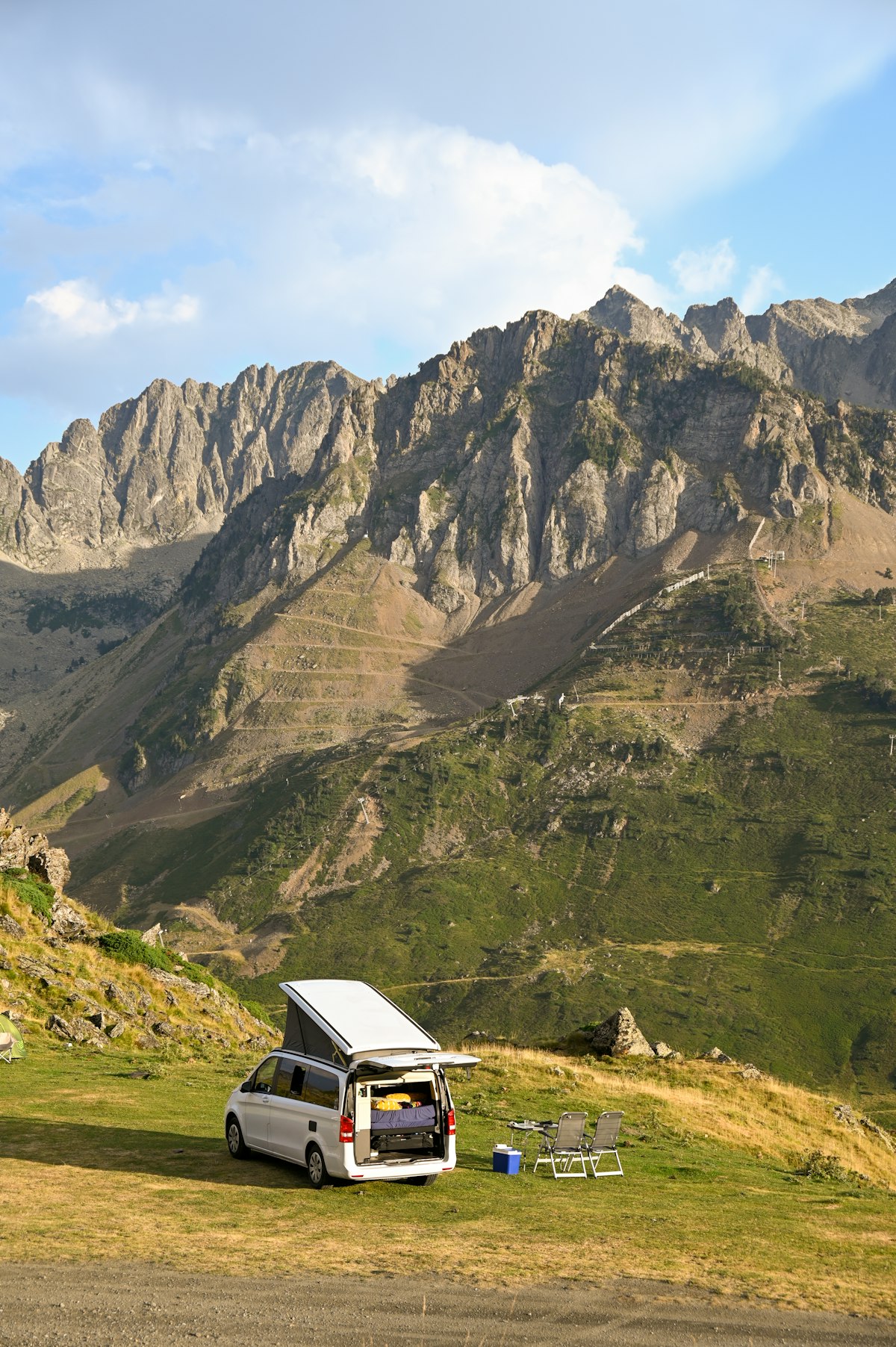
საქართველო შესანიშნავია საავტომობილო სახლებისთვის და ბანაკებისთვის, მაგრამ ის არ მუშაობს ისე, როგორც საფრანგეთი ან გერმანია აკეთებს. არ არის ჰაერის მკვრივი ქსელი ან მომსახურე ბანაკი, და თქვენ უნდა შეწყვიტოთ ამის მოლოდინი სადღაც აღმოსავლეთ თურქეთში.
სანაცვლოდ რასაც იღებთ არის სივრცე. ველური კემპინგი ფართოდ მოითმენს მთელ ქვეყანაში და ღამით მდელოს ან მდინარის ნაპირზე გასვლა ნორმალურია, ვიდრე ქურდული. საღი აზრი მოქმედებს: მოერიდეთ კერძო სასოფლო-სამეურნეო მიწებს, წაიღეთ ყველაფერი თქვენთან ერთად და ჰკითხეთ არის თუ არა სახლი თვალწინ - ჩვეულებრივ მიიღებთ დიახ და ზოგჯერ სადილზე მოწვევას.
საოჯახო სასტუმროები პასუხის მეორე ნახევარია. ქართული გესთჰაუსები ყველგანაა, იაფია და ბევრი სიამოვნებით გაგიშვებთ ეზოში მცირე საფასურად ან კვების ფასად. პრაქტიკაში ეს წყვეტს წყალს, შხაპს და სადმე უსაფრთხო ადგილს მანქანის დატოვება ერთი ნაბიჯით. მთის სოფლებში ეს ხშირად *ერთადერთი* პრაქტიკული ვარიანტია.
რამდენიმე რამ, რაც ღირს იმის ცოდნა, სანამ დიდ მანქანას საქართველოს გზაზე დააყენებთ:
- წყალი და ნაგავსაყრელი ადგილები მწირია. შეავსეთ, როცა შეგიძლიათ და ნუ დაუშვით თქვენი ავზები იმ ვარაუდით, რომ სერვისის პუნქტი მოვა, რადგან ალბათ ასე არ არის.
- საქართველოს სამხედრო გზატკეცილი ყაზბეგისკენ არის დაგებული და თვალწარმტაცი, მაგრამ ჯვრის უღელტეხილზე დაჭიმული თმის სამაგრებით და ბევრი სატვირთო მანქანებით ადის. სავსებით შესაძლებელია საავტომობილო სახლში - უბრალოდ არა სწრაფად.
- სვანეთი და თუშეთი სხვადასხვა წინადადებაა. მესტიის გზა კარგია. თუშეთის გზა მსოფლიოში ერთ-ერთი ყველაზე საშიში სამთო გზაა და ნამდვილად არ არის შესაფერისი დიდი და მძიმე მანქანებისთვის.
- ზამთარი ხურავს რამეს. სამხედრო გზატკეცილი იკეტება ზვავის კონტროლისთვის, ზოგჯერ დღეებით. გადაამოწმეთ ასვლამდე.
საწვავი, ზეთი და მანქანის შენარჩუნება
საწვავი ერთ-ერთი სასიამოვნო სიურპრიზია. ხუთი ქსელი მოიცავს ქვეყანას - Wissol, Gulf, SOCAR, Rompetrol და Lukoil - და 2026 წლის შუა პერიოდში პრემიუმ ბენზინი ლიტრზე დაახლოებით 3,75-3,78 რუბლია, რაც კომფორტულად დაბალია გაერთიანებული სამეფოს ფასებზე.
ვისოლს აქვს ყველაზე დიდი ქსელი 100-ზე მეტი სადგურით და აღწევს თითქმის ყველგან, თუმცა განსაკუთრებით *არა* თუშეთში, რაჭაში ან ხევსურეთში. ეს არის ზუსტად ის რეგიონები, სადაც უნდა ჩახვიდე სავსე ტანკით და არა მისი პოვნის გეგმა.
სადგურების უმეტესობა არის სრული სერვისი - ვინმე შეგივსებთ - და იღებენ ნაღდ ფულს ლარში, ასევე უცხოურ ბარათებს და უკონტაქტო. რამდენიმე უყურადღებო ტუმბო შორეულ ადგილებში უარს იტყვის უცხო ბარათზე, ამიტომ აიღეთ რამდენიმე ლარი სანაცვლოდ.
დიზელი საყოველთაოდ ხელმისაწვდომია. LPG არის ჩვეულებრივი და კარგად მითითებული, თუ მასზე მუშაობთ. ძრავის ზეთი, ეკრანის სარეცხი საშუალება და ჩვეულებრივი სახარჯო მასალები იყიდება დიდ სადგურებზე და გონივრული ზომის ქალაქში ავტონაწილების ნებისმიერ მაღაზიაში; თბილისს და ბათუმს ჰყავთ შესაბამისი ნაწილების მომწოდებლები, თუ რაიმე კონკრეტული გჭირდებათ. ქართველი მექანიკოსები გამოცდილი, სწრაფი და გასაოცრად იაფია ბრიტანული სტანდარტებით - მაგრამ მოიყვანეთ საკუთარი ფილტრები, თუ თქვენი მანქანა უჩვეულოა მსოფლიოს ამ ნაწილში, რადგან ტრანზიტი ან სპრინტერი ადვილია და VW California არა.
რა ვჭამოთ
მარტო ქართული საკვები ამართლებს ლტოლვას.
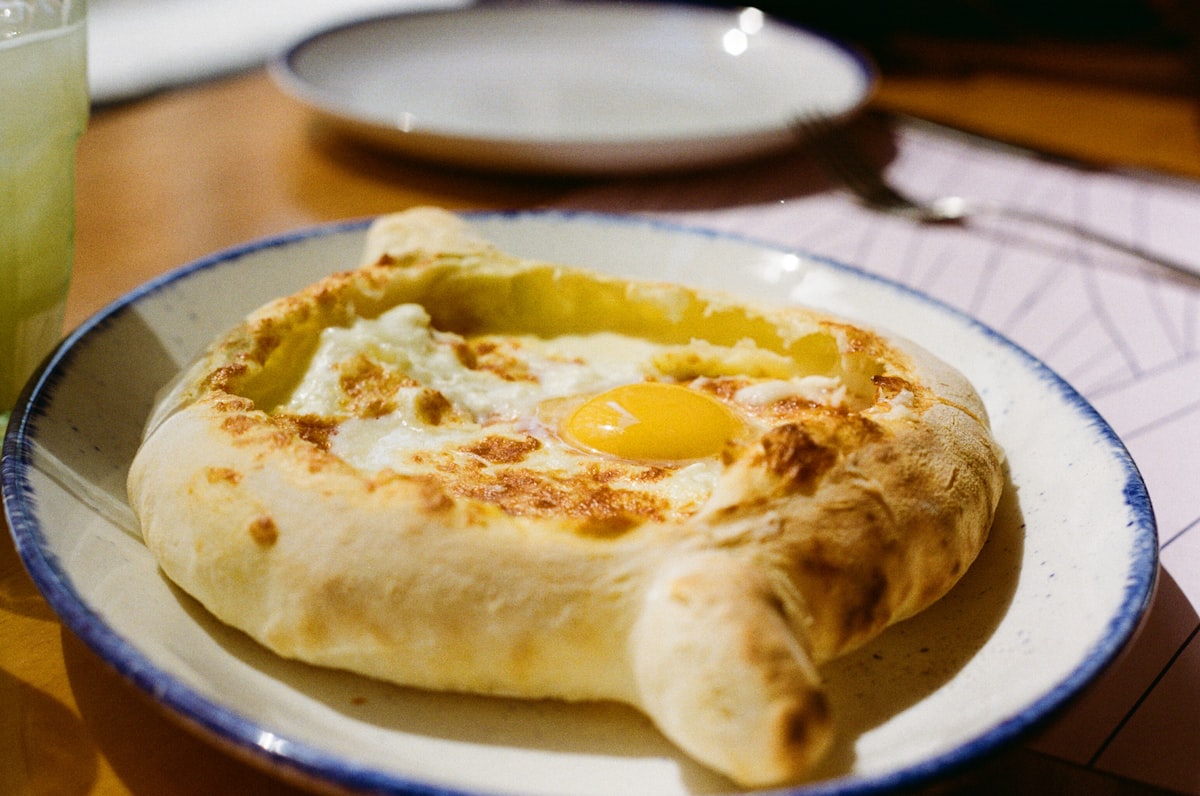
ხაჭაპური არის ეროვნული აკვიატება: პური და ყველი, ყველა რეგიონში განსხვავებულად კეთდება. აჭარული ვერსია - ნავის ფორმის, კვერცხის გულითა და კარაქით, რომელსაც შენ ურევ - არის ის, ვინც პირველად ხვდები, რადგან აჭარაში ჩადიხარ. იმერული ვერსია უფრო ბრტყელი და მარტივია და შესაძლოა უკეთესიც.
ხინკალი არის წვნიანი, ზემოდან დაგრეხილი. თქვენ მათ კვანძით უჭერთ, კბენთ, სვამთ ბულიონს და ტოვებთ კვანძს თეფშზე. ხუთზე ნაკლების შეკვეთა გამოგადგებათ, როგორც ტურისტი.
გარდა ამისა: მწვადი (ვაზის კალმებზე შემწვარი ღორის ხორცი), ლობიო (ლობიოს ჩაშუშული თიხის ჭურჭელში, მშვენიერია მთაში ცივი დღის შემდეგ), ბადრიჯანი ნიგვზით (ბადრიჯანი ნიგვზის პასტით) და ეკლესიური ღორის რულეტი ნიგვზის პასტით) და ეკლესიის ხელნაკეთი ნიგვზის გამეორება. ყველა ბაზარში და სანთლების შეცდომა.
და ღვინოც. საქართველო ღვინოს რვა ათასი წელია ამზადებს დამარხულ თიხაში *ქვევრში* და ქარვის ღვინოები ასე იღებენ გემოს, როგორც დასავლეთ ევროპაში წარმოებული არაფერი. აღმოსავლეთით კახეთი ღვინის რეგიონია და ოჯახური მარნების უმეტესობა თქვენთვის მცირე და არაფრის ფასად მოგიმზადებთ. ცხადია, ვინც მართავს, არ უერთდება.
თუ ვინმე გიწვევთ სუპრა-ზე - ქართულ სუფრაზე *თამადა*, სადღეგრძელო, სადღეგრძელოების გაშვება - მიიღე. ეს არის საუკეთესო რამ, რაც შეიძლება დაგემართოს ამ მოგზაურობაში.
რეალურად სად უნდა გაჩერდე
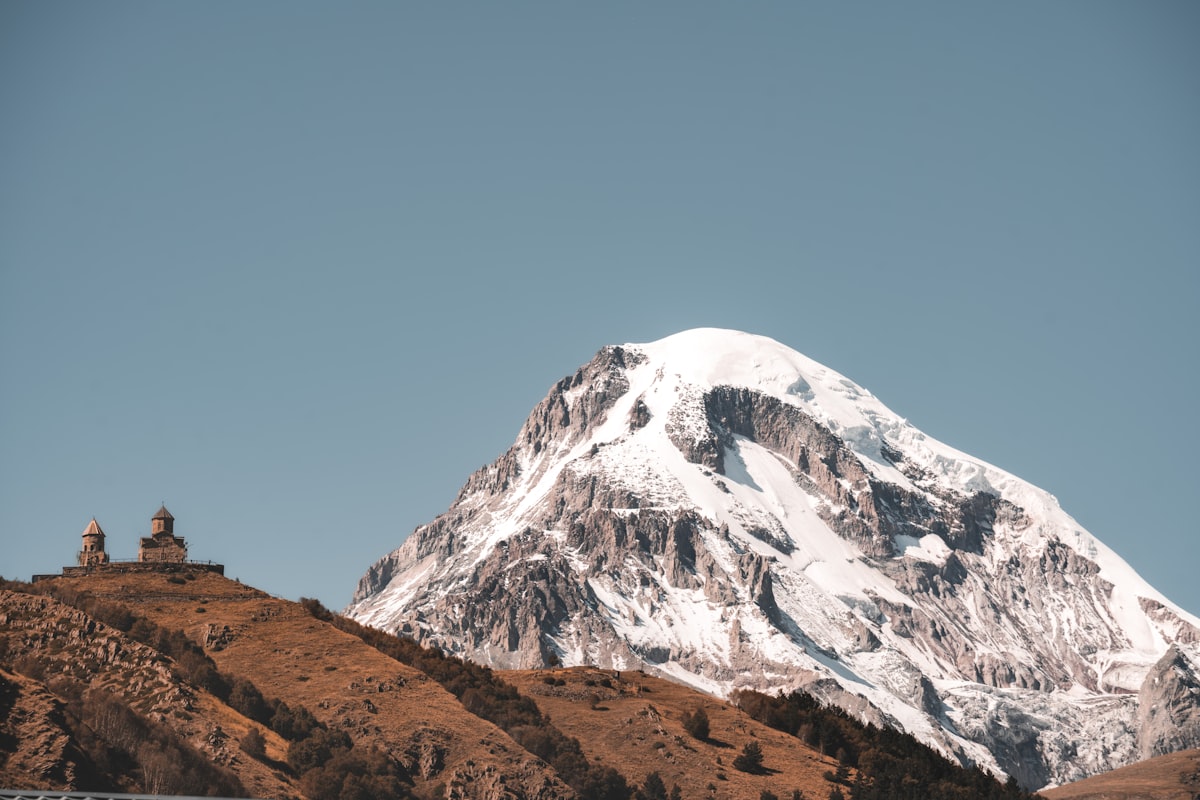
ყაზბეგი (სტეფანწმინდა). თბილისიდან ჩრდილოეთით სამი საათის განმავლობაში სამხედრო გზატკეცილზე. გერგეტის სამების ეკლესია მარტო დგას 2170 მეტრზე, ქედზე, მის უკან 5054 მეტრიანი მთა ყაზბეკია და ის ისეთივე კარგია, როგორც ფოტოებზე ჩანს. იარეთ, თუ გაქვთ ფეხები და ამინდი; ბილიკი არის ციცაბო, მაგრამ არა ტექნიკური.
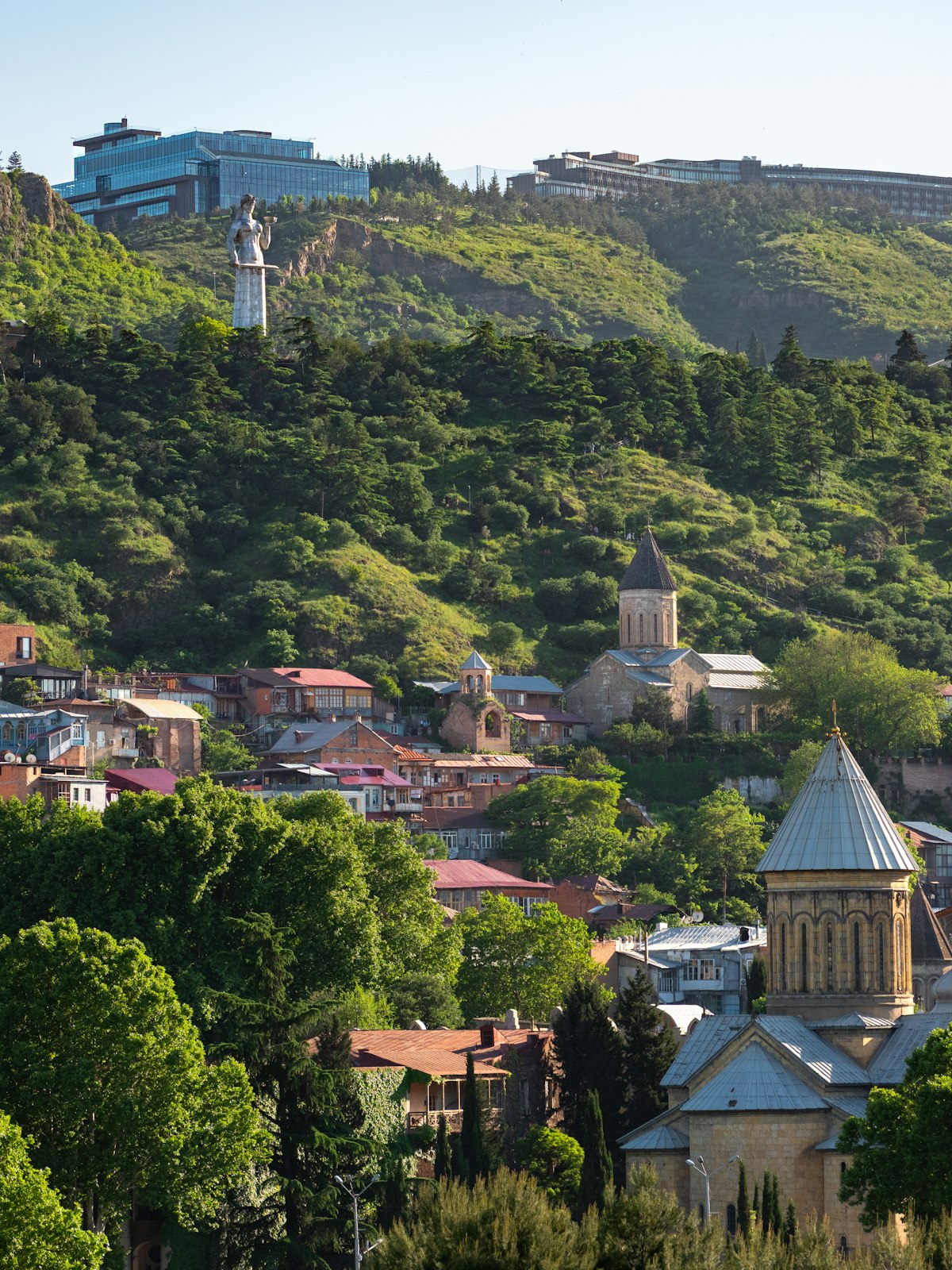
თბილისი. ღირს რამდენიმე დღე ვიდრე ერთი. ძველი ქალაქი არის მოჩუქურთმებული ხის აივნების, გოგირდის აბანოების გუმბათოვანი აგურის სახურავები და საბჭოთა ეპოქის ეზოები, ზემოდან მოქცეული თანამედროვე ქალაქი. გააჩერეთ მანქანა და იარეთ.
ბათუმი. სადაც ჩახვალ და ადვილი მოსაქცევია, როგორც მხოლოდ სასაზღვრო ქალაქი. ეს არ არის - სუბტროპიკული, პალმებით მოპირკეთებული, ამბიციური თანამედროვე კოშკების უცნაური და სასიამოვნო ჰორიზონტით კენჭის სანაპიროზე.
სვანეთი. ჩრდილო-დასავლეთით მესტია და უშგული შუა საუკუნეების ქვის კოშკების სოფლებია მუდმივი თოვლის მწვერვალების ქვეშ, ევროპის უწყვეტად დასახლებულ ყველაზე მაღალ დასახლებებს შორის. შემოვლითი გზა გრძელია. ეს არის ასევე ის, რაც ადამიანების უმეტესობას შემდეგ ახსოვს.
კახეთი. თბილისის აღმოსავლეთით, ნაზი ვენახიანი ქვეყანა გორაკზე მონასტრებით და გალავნით შემოსაზღვრული ქალაქი სიღნაღი, რომელიც ალაზნის ველს გადაჰყურებს კავკასიონისკენ. ყველაზე მარტივი და ყველაზე მომგებიანი დღეები ქვეყანაში.
ვარძია და უფლისციხე. კლდეში გამოკვეთილი ორი გამოქვაბული ქალაქი - ერთი თორმეტსაუკუნიანი სამონასტრო კომპლექსი ასობით ოთახისგან შემდგარი ცამეტი სართულით, მეორე კი ბევრად უფრო ძველი. ორივე არაჩვეულებრივია და არც ხალხმრავლობაა.
სანამ გასაღებს ატრიალებთ
შეიძინეთ თქვენი [ქართული მანქანის დაზღვევა](/შეკვეთა-მანქანა-საქართველოს დაზღვევა) და თქვენი მოგზაურობის სამედიცინო საფარი სარფამდე მისვლამდე, შეინახეთ PDF ფაილები ტელეფონში და დაბეჭდილი ასლი ხელთათმანების ყუთში და შეინახეთ 112 — საქართველოს სასწრაფო დახმარების ნომერი — თქვენს კონტაქტებში.
შემდეგ შეწყვიტე დაგეგმვა. არხიდან კავკასიისკენ მიმავალი გზა გადასაჭრელი პრობლემა არ არის; ეს არის მოგზაურობის საუკეთესო ნაწილი.