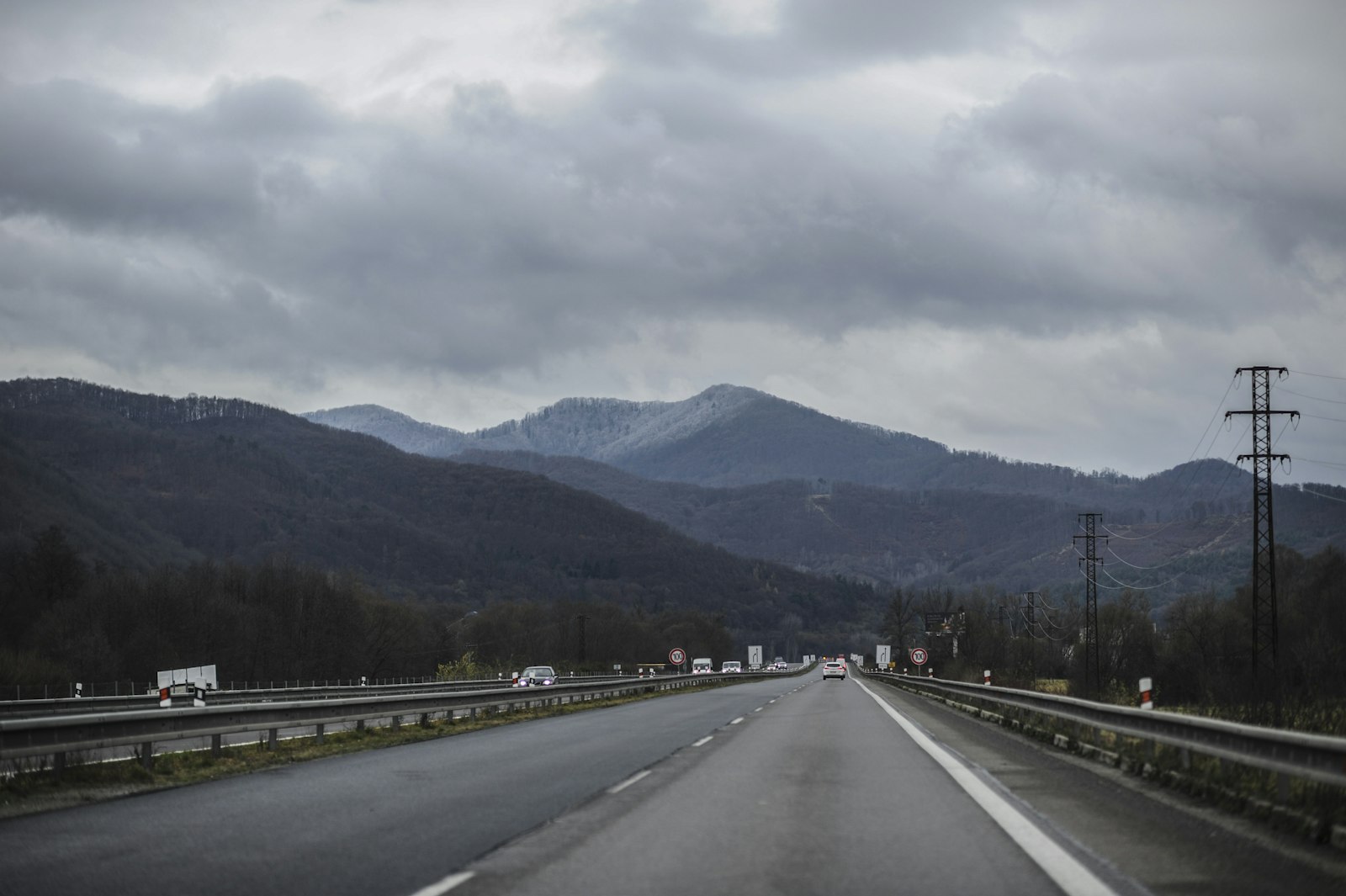
Армениядан Грузияға өту: шекарада не болып жатыр
Үш өткел, төрт қадамдық шекара процедурасы, нақты тексерілетін құжаттар және Грузия жағында болған кезде мобильді деректерді қалай жұмыс істеуге болады.
Сенім және ашықтық
Дайындаған: Georgian APPA Editorial Team
Соңғы тексеру: 2026 ж. тамыз (Reviewed by Georgian APPA)
Georgian APPA separates statutory insurance information from its own customer-facing selling price and links authority pages that explain how content is reviewed and updated.
Осы бетте қолданылған ресми дереккөздер
Ереваннан Тбилисиге дейін 280 км. Жақсы күнде бұл бес сағаттық есікке дейін. Нашар күнде сіз үш сағатыңызды Баграташенде кезекте тұрып, алдыңғы көлікті кеденге жүкті түгел шешіп алуды тамашалайсыз.
Жүргізу оңай бөлігі. Шекара - бұл сапардың жалғыз болжауға болмайтын бөлігі - және ол жерде дұрыс емес нәрселердің барлығын алдыңғы түнде ас үстеліңізден болдырмауға болады. Міне, өткелде не болып жатқаны және оған жеткенше не дайын болу керек.
Өткелді дұрыс таңдаңыз
Армениядан Грузияға үш жол бар және көптеген адамдар қалған екеуін ескерместен бірінші жолды таңдайды.
Баграташен – Садахло – негізгі, Ереван – Ванадзор жолында, тәулік бойы ашық. Ол сондай-ақ үлкен айырмашылықпен ең белсенді болып табылады. Жұма күні кешке, сенбі күні таңертең және екі жақтағы мемлекеттік мерекелер - бұл кезектер пайда болған кезде.
Бавра – Ниноцминда егер сіз Гюмриден немесе Ширактың кез келген жерінен бастасаңыз, мағынасы бар. Жол Ахалкалакиге және Батумиге дейін жалғасады, сондықтан Қара теңіз сіздің нақты баратын жеріңіз болса, бұл жиі жақсы таңдау болып табылады.
Гогаван – Гугути, Ташир арқылы жеткен, тыныш. Ешкімнің бірінші таңдауы емес, сондықтан Баграташеннің сақтық көшірмесі жасалғанын естігенде білу керек.
Өткелде не болады
Процесс үшеуінде де бірдей және ол төрт бөліктен тұрады.
Армянның шығу бақылауы. Көліктегі барлық адамдардың төлқұжаттары және көлік құжаттары. Сіздің көлігіңіз Армениядан тексерілген.
Бейтарап аймақ. Екі бағана арасындағы қысқа жол. Мұнда баяу жүргізуден басқа ештеңе болмайды.
Грузияға кіру бақылауы. Кіру кезінде мөр басылған паспорттар. Армения азаматтарына Грузияға виза қажет емес. Офицер сіздің қайда бара жатқаныңызды және қанша уақыт тұратыныңызды сұрайды - нақты жауап беріңіз, бұл әдеттегі сұрақ.
Грузин кедені. Көлік құралы сіз болған уақыт ішінде уақытша әкелінген. Тіркеу құжатын дайындаңыз. Бұл жерде сақтандыруды тексеруге болады.
Тыныш болған кездегі жалпы уақыт: 30-дан 60 минутқа дейін. Тамызда, сенбі күні таңертең, Баграташенде: үш сағатты үнемдеңіз және жағымды таң қалдырыңыз.
Автосақтандыру (APPA)
Грузияға кіретін және ел ішінде жүретін шетелдік тіркеудегі көліктерге арналған онлайн рәсімделетін міндетті грузин сақтандыруы.
Егер өндіруші тізімде болмаса, «Басқа» таңдаңыз.
Егер модель тізімде болмаса, «Басқа» таңдаңыз.
Құжаттар, бір тізімде
- Көліктегі әрбір адамның төлқұжаты
- Көлік құралын тіркеу құжаты — көшірмесі емес, түпнұсқасы
- Сіздің жүргізуші куәлігіңіз
- Грузиялық көлікті міндетті сақтандыру көлік құралына
- Саяхаттың медициналық сақтандыру әрбір жолаушы үшін
Соңғы екеуі адамдарды ұстайтындар, сондықтан олар өз бөлімдерін алады.
Ешкім қажет емес сақтандыру
Сіздің армян ԱՊՊԱ шекарада жұмысын тоқтатады. Ол сізді Арменияның ішінде және басқа еш жерде қамтиды, және Грузия халықаралық Green Card жүйесінің бөлігі емес, сондықтан оны тыныш кеңейтетін келісім жоқ.
Грузин жолының бірінші метрінен бастап сіздің көлігіңізге Грузиялық үшінші тараптың міндетті сақтандыруы қажет. Грузин полициясы оны елдің кез келген жерінде нөмір арқылы электронды түрде тексереді және онсыз көлік жүргізу үшін айыппұл 100 лариден басталады.
Жеңіл автокөлік үшін 15 күн үшін шамамен $20, бір ай үшін $30 немесе толық жыл үшін $150 тұрады. Егер сіз жылына бірнеше рет өтсеңіз - жұмыс, отбасы немесе жүк үшін - жылдық саясат шамамен жеті 15 күндікпен бірдей болады, сондықтан ол өзін тез ақтайды.
Және 2026 жылдың 1 қаңтарынан бастап туристік медициналық сақтандыру да жиі талап етіледі. Шетелдік келушілердің көпшілігіне кемінде 30 000 лари сақтандыру сомасын құрайтын, бүкіл болуы үшін денсаулық пен жазатайым оқиғадан бөлек сақтандыру қажет. Кейбір санаттар Грузия заңы бойынша босатылған. Егер ереже сіздің сапарыңызға қатысты болса, шекараға жеткенге дейін әр саяхатшы үшін бөлек жабуды ұйымдастырыңыз. Екі саясатты да онлайн режимінде реттеуге және телефонда PDF форматында сақтауға болады.
Ереваннан кетер алдында оларды сатып алыңыз. Шекарада дүңгіршектер бар, бірақ маусымда дүңгіршектер кезегі шекара кезегінің үстінде болады және олардың карта терминалдары сіз қалағаннан жиі істен шығады.
Басқа жақта байланыста болу

Сіз кесіп өткен сәтте армян SIM картасы роумингті бастайды және Грузия армяндар үйреніп қалған достық аймақтық байламдардың ешқайсысына кірмейді. Адамдар мұны бірінші есепшот келгенде біледі.
Сізде үш нақты нұсқа бар:
- Операторыңыздың роуминг пакетін тексеріңіз. Кейбір армян операторлары Грузияның бір күндік билетін сатады. Оны баламалармен салыстырыңыз - бұл ыңғайлы, бірақ сирек арзан.
- Шекарадан кейін грузин SIM картасын сатып алыңыз. Magti, Geocell және Beeline туристік деректер пакеттерін сатады, өткелде және әр қалада дүкендер бар. Арзан, бірақ бұл физикалық своп және екінші нөмірді білдіреді.
- eSIM картасын пайдаланыңыз. Телефоныңыз оны қолдаса, бұл ең ұқыпты жауап: саяхатқа шықпас бұрын деректер жоспарын цифрлық түрде орнатасыз және армян нөміріңіз оның жанында қоңыраулар мен хабарлар үшін жұмыс істей береді.
Соңғысы туралы шыншылдық: біз өзіміздің Джорджия үшін eSIM қызметін дайындап жатырмыз және ол әлі іске қосылмаған — жоспарланған пакеттерді сол бетте көре аласыз, бірақ біз тапсырыс қабылдамаймыз. Ол дайын болғанша, қалған екі нұсқаның бірі сіздің жауабыңыз. Біз сізге жоқ нәрсені сатқаннан гөрі сізге бұл туралы айтқанды жөн көреміз.
Қай бағытты таңдасаңыз да, кесіп өтпес бұрын оны сұрыптаңыз. Бір жолақ сигналы бар кезекте алға жылжып, деректер жоспарларын зерттеуге тырысу мереке туралы ешкімнің идеясы емес.
Грузиядағы алғашқы сағатыңыз
Отын. Бұрын емес, шекарадан кейін құйыңыз — Грузияда бензин әдетте Арменияға қарағанда арзанырақ. Негізгі желілер: Wissol, Gulf, SOCAR, Rompetrol және Lukoil, 2026 жылдың ортасында премиум литріне ₾3,75–3,78 шамасында жұмыс істейді. Олардың көпшілігі толық қызмет көрсетеді және карталарды қабылдайды, дегенмен қашықтағы бірнеше бақылаусыз сорғылар шетелдік картадан бас тартады. Лари алып жүр.
Ақша. Драм емес, грузин лари. Банкоматтар барлық жерде бар және карталар Тбилисиде жалпыға бірдей дерлік қабылданады, бірақ ауылдағы шағын дүкендер мен жол бойындағы жеміс-жидек дүңгіршектерінде қолма-қол ақшаны сақтаңыз.
Жүргізу. Грузия Армения сияқты оң жақта жүреді, сондықтан ол жерде ештеңе өзгермейді. Жылдамдық шектеулері қалаларда 50, ал олардан тыс жерлерде 90, ал орындау камера арқылы жүзеге асырылады. Жолға шықпас бұрын 112 — грузин жедел нөмірін сақтаңыз.
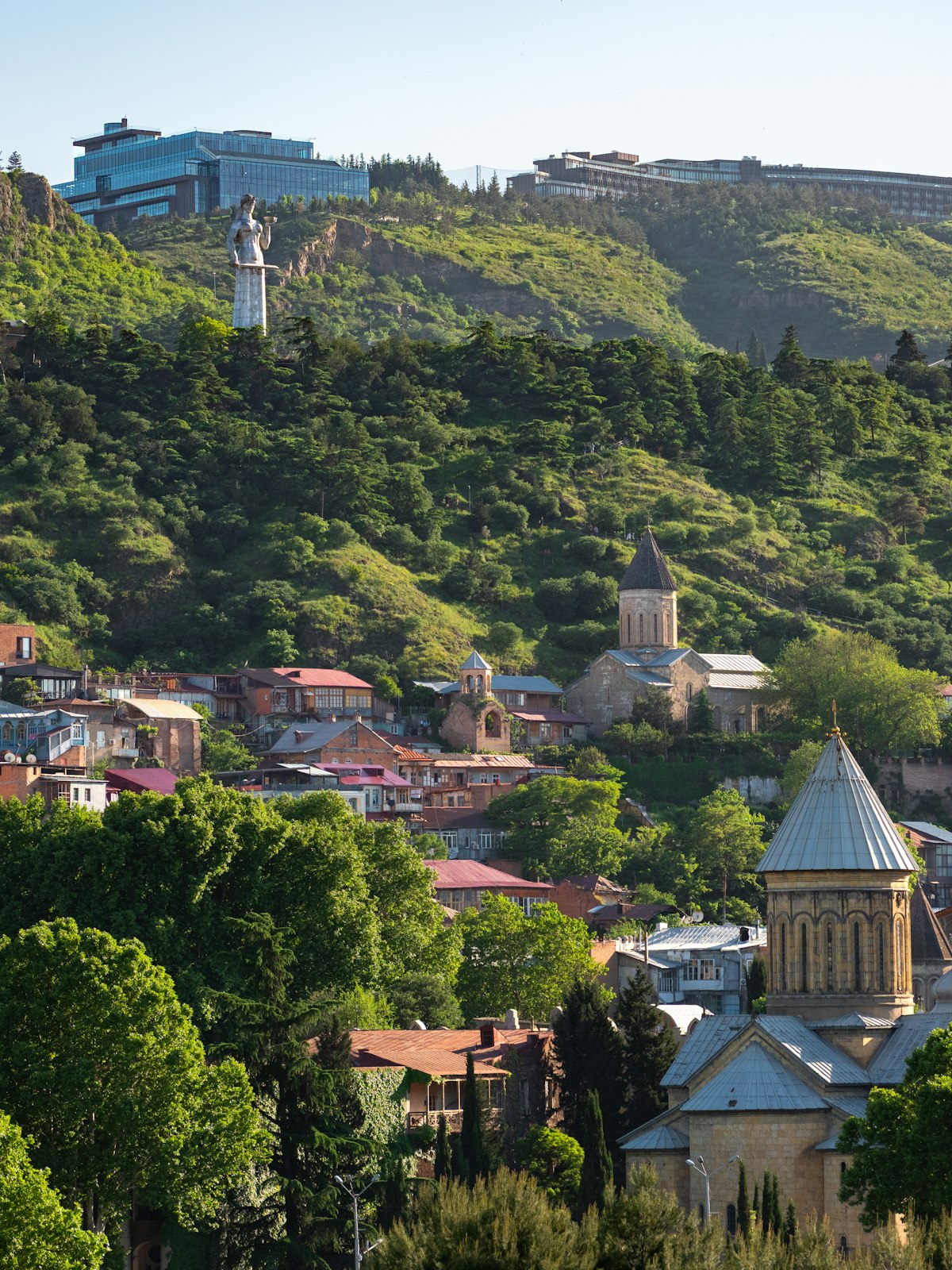
Садахлодан Тбилиси бір сағатта әрең жетеді. Саяхаттың ең қиын бөлігі артта қалды.
---
Баграташендегі кезекке тұрмас бұрын телефоныңызда автокөлікті сақтандыру және медициналық сақтандыруды алыңыз. Бұл үш минуттық жұмыс бұл сапардың бір күнді шынымен құртуы мүмкін жалғыз бөлігін алып тастайды.